
Edge Computing in Healthcare: Revolutionizing Patient Care
Imagine a world where doctors get critical patient data instantly, saving lives in seconds. That’s the power of edge computing in healthcare. I first saw its impact when my aunt, a diabetic, used a wearable device that alerted her doctor during a sudden sugar spike. The device didn’t rely on distant servers—it processed data right there, on the spot. This technology is changing healthcare, making it faster, smarter, and more personal. In this article, we’ll explore what edge computing is used for in healthcare, diving into its real-world applications. From remote monitoring to surgical precision, edge computing is a game-changer. Let’s uncover how it’s reshaping patient care and why it matters to you.
What Is Edge Computing in Healthcare?
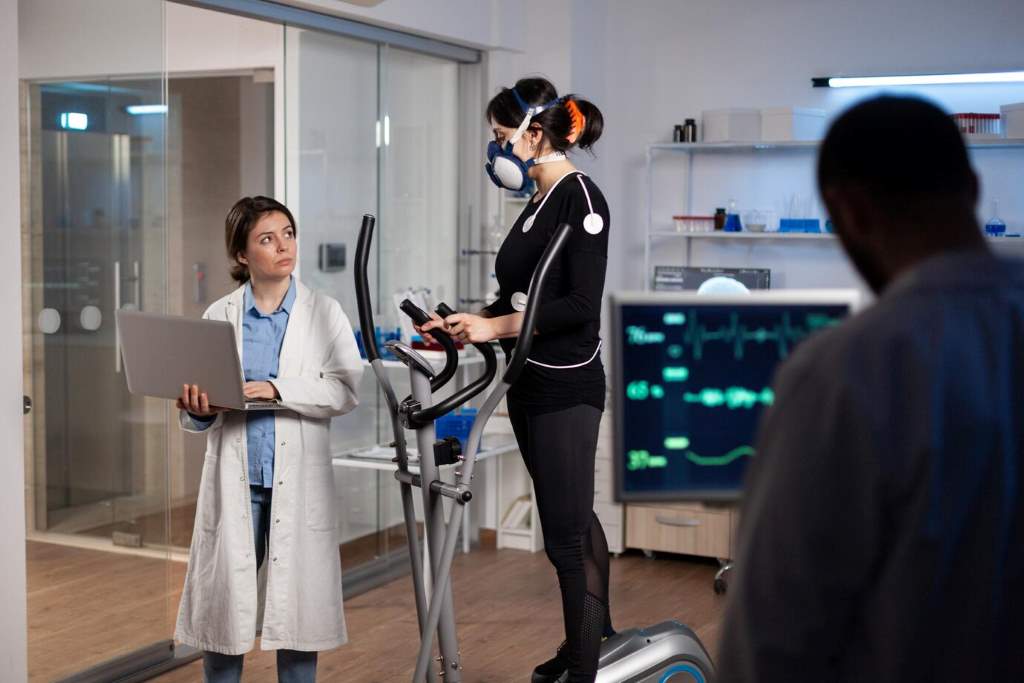
Edge computing processes data close to where it’s created, like on devices or local servers, instead of sending it to far-off cloud systems. In healthcare, this means faster decisions and less delay. For example, a heart monitor can analyze data instantly and alert doctors if something’s wrong. This speed is vital in emergencies.
According to a 2023 Gartner report, 50% of healthcare organizations will adopt edge computing by 2025 to improve patient outcomes. It reduces latency, which is the time data takes to travel. In hospitals, where seconds matter, this is a lifesaver. Edge computing also saves bandwidth by processing data locally, easing the load on networks.
My aunt’s wearable device is a perfect example. It didn’t need a constant internet connection to work. Instead, it processed her glucose levels on the device itself, sending alerts only when needed. This efficiency is why edge computing is booming in healthcare. It’s not just about speed—it’s about reliability and trust in critical moments.
Enhancing Remote Patient Monitoring

Remote patient monitoring is a big win for edge computing. Devices like smartwatches or glucose monitors collect data and process it instantly. This helps doctors track patients without them visiting the hospital. For chronic conditions like diabetes or heart disease, this is huge.
Edge computing makes these devices smarter. They don’t just collect data—they analyze it. If a patient’s heart rate spikes, the device can flag it immediately. This real-time feedback means faster interventions. A 2022 study by the Journal of Medical Internet Research found that remote monitoring with edge computing reduced hospital readmissions by 20% for heart failure patients.
I saw this firsthand with my aunt. Her device caught a dangerous glucose spike while she was at home. The alert went straight to her doctor, who called her within minutes. Without edge computing, that data might have been delayed, risking her health. This technology empowers patients to live independently while staying connected to care. Let’s explore AI in HR Learning and Development.
Powering Smart Hospitals
Smart hospitals rely on edge computing to streamline operations. From managing equipment to tracking patients, it’s all about real-time data. For instance, edge devices can monitor bed availability or ensure ventilators are working. This cuts down on manual checks and boosts efficiency.
In emergencies, edge computing shines. Imagine a busy ER where IoT devices track patient vitals and prioritize cases. Nurses get instant updates, so they focus on care, not paperwork. Edge computing also supports AI tools that analyze data on-site, like detecting infections from sensor data.
Hospitals using edge computing save time and money. They also improve patient experiences. When I visited a smart hospital last year, I noticed how smoothly everything ran. Nurses used tablets that updated instantly with patient info. It felt like the future—organized and human-centered. Edge computing makes hospitals more responsive, ensuring no patient slips through the cracks.
Enabling Precision in Surgeries
Edge computing is transforming surgeries by powering robotic systems and real-time imaging. Surgeons use tools like robotic arms that rely on instant data to make precise cuts. Edge computing ensures these systems process data locally, avoiding delays that could risk patient safety.
For example, during minimally invasive surgeries, edge devices analyze live feeds from cameras. Surgeons get clear, instant visuals, which is critical for accuracy. This is especially important in complex procedures like neurosurgery. Edge computing also supports augmented reality, where surgeons see 3D models of organs during operations.
A hospital in my city recently adopted edge-powered surgical tools. A friend who’s a nurse there shared how these systems reduced operation times. Surgeons could trust the tech to deliver real-time data, making procedures safer. This precision is why edge computing is a must in modern operating rooms. It’s not just tech—it’s lives saved.
Improving Data Security and Privacy
Healthcare handles sensitive data, and edge computing boosts security. By processing data locally, it reduces the need to send sensitive info to the cloud. This lowers the risk of breaches, which is critical in an era of rising cyberattacks.
Edge devices can also encrypt data on-site, adding another layer of protection. For instance, a patient’s heart monitor might store and analyze data locally, only sharing encrypted summaries with doctors. This keeps personal info safe while ensuring care isn’t compromised.
I once spoke with a hospital IT manager who explained how edge computing cut their data breach risks. They used local servers for patient records, minimizing external exposure. According to a 2024 IBM report, healthcare data breaches cost $10 million on average. Edge computing helps avoid these costs, building trust with patients. It’s a practical way to balance tech and privacy.
Supporting Telemedicine Growth
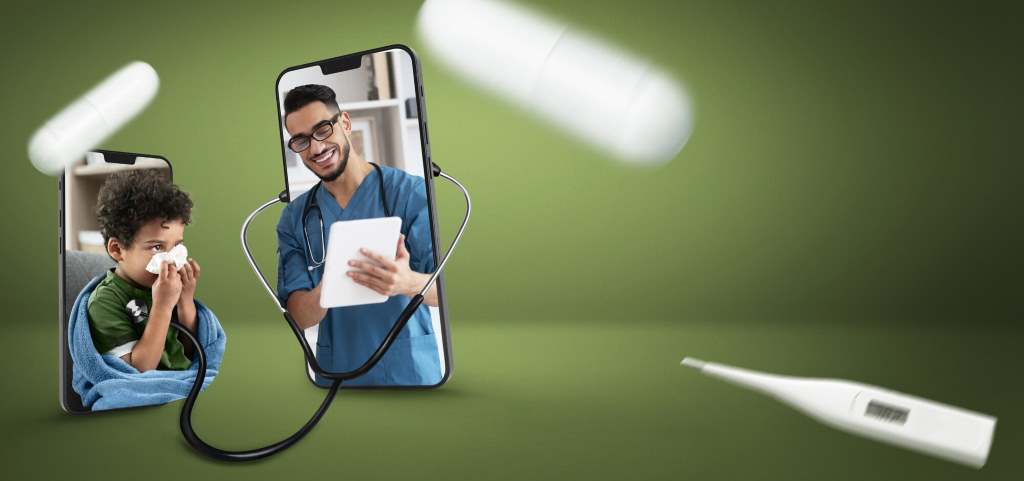
Telemedicine exploded during the pandemic, and edge computing keeps it thriving. Virtual visits rely on real-time video and data sharing. Edge computing ensures smooth calls by processing video locally, reducing lag even on weak internet.
It also powers wearable devices that share live data during telehealth visits. Doctors can see a patient’s vitals in real time, making virtual care as effective as in-person visits. This is a game-changer for rural areas with limited access to hospitals.
My cousin, who lives in a remote town, uses telemedicine for checkups. His doctor gets instant data from his smartwatch, thanks to edge computing. It feels like the doctor is right there. As telemedicine grows, edge computing will make healthcare more accessible, connecting patients and doctors seamlessly.
Common Mistakes to Avoid with Edge Computing in Healthcare
Edge computing is powerful, but it’s easy to stumble. Here are some pitfalls to watch for:
- Ignoring Security Protocols: Failing to encrypt data on edge devices can lead to breaches.
- Overloading Devices: Expecting small devices to handle too much data slows performance.
- Skipping Updates: Outdated edge systems may miss critical security patches.
- Poor Integration: Not aligning edge tech with existing hospital systems causes chaos.
- Underestimating Costs: Initial setup can be pricey—plan budgets carefully.
- Neglecting Training: Staff need training to use edge tools effectively.
- Weak Backup Plans: Always have failover systems for when edge devices go offline.
Avoid these mistakes to ensure edge computing delivers its full potential in healthcare.
Tips for Implementing Edge Computing in Healthcare
Want to make edge computing work in healthcare? Try these tips:
- Start Small: Test edge devices in one department before scaling up.
- Prioritize Security: Use strong encryption and regular audits.
- Train Staff: Ensure everyone knows how to use new tools.
- Choose Reliable Vendors: Partner with trusted tech providers.
- Monitor Performance: Regularly check edge devices for efficiency.
- Plan for Scalability: Design systems that grow with your needs.
- Engage Patients: Explain how edge tech improves their care.
- Backup Data: Always have a cloud or local backup system.
These steps help healthcare providers harness edge computing effectively.
Conclusion
Edge computing in healthcare is more than a trend—it’s a revolution. From saving lives with real-time monitoring to powering precise surgeries, it’s making care faster, safer, and more personal. My aunt’s story showed me how this tech can give patients independence while keeping them safe. As hospitals and clinics adopt edge computing, we’ll see even better outcomes and happier patients.
The future is bright, but it starts with understanding what edge computing can do. Whether you’re a patient, doctor, or hospital leader, this technology matters. Share your thoughts in the comments or spread the word about edge computing’s impact. Let’s keep the conversation going!
FAQs
How does edge computing improve patient care?
Edge computing processes data instantly, enabling faster diagnoses and real-time monitoring for better outcomes.
Is edge computing secure for healthcare data?
Yes, it enhances security by processing data locally, reducing the risk of breaches with encryption.
Can edge computing work without the internet?
Yes, edge devices process data locally, functioning even with limited or no internet connectivity.
What devices use edge computing in healthcare?
Wearables, heart monitors, surgical robots, and IoT hospital devices commonly use edge computing.
How does edge computing support telemedicine?
It ensures smooth video calls and real-time data sharing, improving virtual care quality.
Sorry, the comment form is closed at this time.