
Must-Know Social Media Analytics for Beginners
Social media has evolved from a digital playground to a complex ecosystem where businesses, influencers, and individuals vie for attention. To navigate this landscape effectively, understanding social media analytics is crucial. But what does that mean, exactly? And how can it benefit you? Let’s dive in.
What is Social Media Analytics?
Think of social media analytics as a magnifying glass for your online presence. It’s the process of gathering and interpreting data about your audience, content performance, and overall social media activity. By understanding these numbers, you can make informed decisions to enhance your strategy and achieve your goals. For example, even if you have a one-year-old social media platform, analyzing its data can provide valuable insights. To delve deeper into how analytics can benefit your strategy, read more on this topic.
Why is Social Media Analytics Important?
- Understanding Your Audience: Analytics provides insights into who your followers are, their interests, and their behavior.
- Measuring Content Performance: You can determine which content resonates best with your audience, helping you create more engaging posts.
- Tracking Campaign Success: Analytics helps you evaluate the effectiveness of your social media campaigns.
- Identifying Trends: By analyzing data over time, you can spot emerging trends and adapt your strategy accordingly.
- Improving ROI: Understanding your analytics can help you maximize your return on investment for social media marketing efforts.
Social Media Analytics: Key Metrics to Focus On
Navigating a sea of metrics can be overwhelming. Here are some essential ones to start with:
- Reach: The total number of people who saw your content.
- Impressions: The total number of times your content was displayed.
- Engagement: The number of interactions (likes, comments, shares) with your content.
- Click-through Rate (CTR): The percentage of people who clicked on a link in your post.
- Conversion Rate: The percentage of people who took a desired action (e.g., made a purchase, or signed up for a newsletter).
Understanding Your Audience

Knowing your audience is fundamental to any successful social media strategy. Analytics can help you:
- Identify demographics: Age, gender, location, and interests of your followers.
- Discover psychographics: Values, attitudes, and lifestyles of your audience.
- Understand behavior: How your audience interacts with your content when they’re most active, and what platforms they prefer.
Measuring Content Performance
Effective content is the lifeblood of your social media presence. Analytics can help you:
- Determine content types: Which formats (images, videos, text) perform best?
- Identify optimal posting times: When your audience is most engaged.
- Analyze content themes: Which topics resonate most with your audience?
- Track content virality: How your content spreads through shares and mentions.
Tracking Campaign Success
Analytics is essential for evaluating the performance of your social media campaigns:
- Set clear goals: Define what you want to achieve with your campaign.
- Track relevant metrics: Measure the performance against your goals.
- Compare results: Analyze how your campaign performed compared to previous ones.
- Optimize for future campaigns: Use insights to improve future efforts.
Using Analytics to Improve ROI
Social media should contribute to your overall business objectives. Analytics can help you:
- Calculate ROI: Determine the return on your social media investment.
- Identify high-performing channels: Focus your efforts on platforms that deliver the best results.
- Optimize ad spending: Allocate the budget effectively based on performance data.
- Measure conversions: Track how social media leads to sales or other desired actions.
Does TikTok Show Your Location? Exploring the Privacy Concerns of the Popular App
Tools and Resources
Many social media platforms offer built-in analytics tools. Additionally, there are third-party platforms that provide more comprehensive data and insights. Some popular options include:
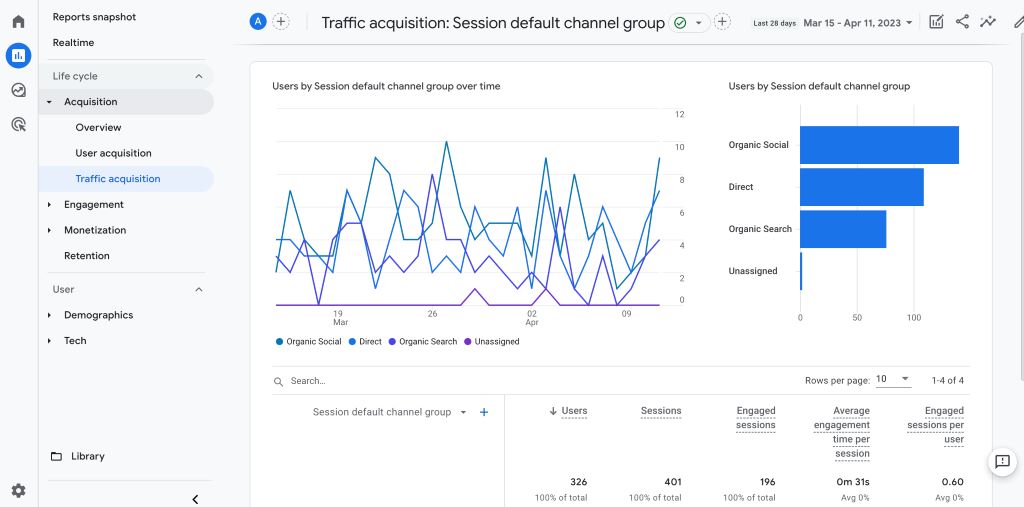
- Google Analytics: While primarily for website traffic, it can also provide valuable social media data.
- Hootsuite: Offers analytics features in addition to social media management.
- Sprout Social: Provides in-depth analytics and reporting.
- Buffer: Offers analytics alongside scheduling and publishing tools.
Related: What is the Code for Mature Anime on Netflix?
Final Thoughts
Social media analytics is a powerful tool for anyone looking to enhance their online presence. By understanding the basics and consistently monitoring your data, you can make data-driven decisions that lead to increased engagement, improved ROI, and a stronger connection with your audience. Remember, the key to success is not just collecting data, but using it to inform your strategy and achieve your goals.
Sorry, the comment form is closed at this time.