
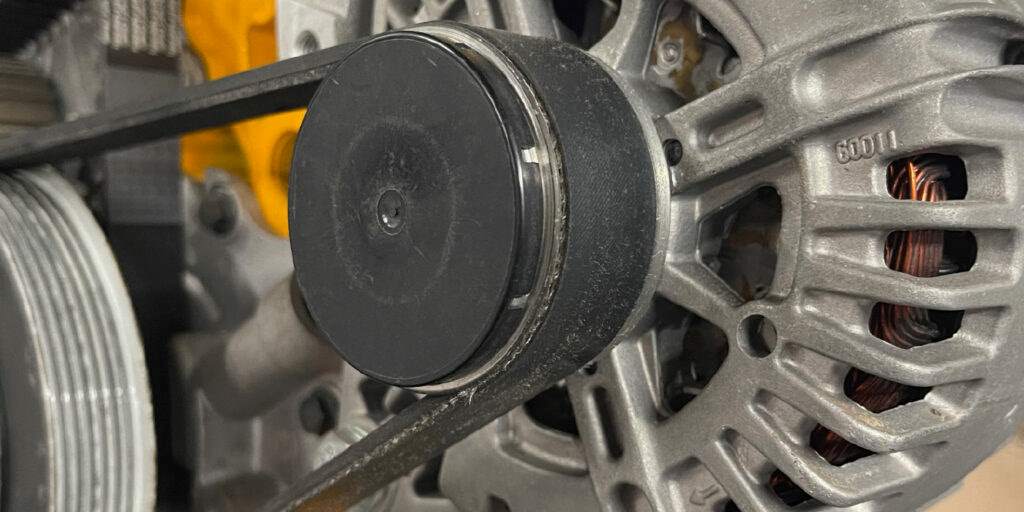
Fix Cracked Serpentine Belt Edge Lines in Car
Cracked serpentine belt edge lines in car grab attention fast. Imagine driving smoothly, then hearing a strange squeal. Your engine loses power suddenly. This common issue affects many drivers daily. A serpentine belt, also called a drive belt, powers key parts like the alternator and water pump. Cracks on the edges signal trouble ahead. According to the National Highway Traffic Safety Administration, belt failures cause over 10% of roadside breakdowns. Moreover, a Car Care Council study shows 1 in 5 vehicles has worn belts needing replacement. Early detection saves time and hassle. This guide dives deep into symptoms, causes, and solutions.
What Is a Serpentine Belt and Why Do Edge Lines Crack?
Drivers rely on the serpentine belt every trip. This long, winding rubber belt loops around pulleys. It transfers power from the engine to accessories. Modern cars use one multi-ribbed belt instead of several V-belts. Edge lines refer to the sides where ribs meet the flat part. Cracks here weaken the structure over time.
Furthermore, heat and friction play big roles. The belt stretches and flexes constantly. Tiny cracks start small but grow quickly. For instance, a 2023 study from the Society of Automotive Engineers found that edge cracking reduces belt life by up to 40%. Therefore, understanding this part helps you spot problems early.
Common Causes of Cracked Serpentine Belt Edges
Many factors lead to damaged drive belt sides. Age tops the list. Belts last 60,000 to 100,000 miles typically. However, harsh conditions speed up wear.
- Heat Exposure: Engines run hot. Rubber dries out and cracks.
- Misalignment: Pulleys out of line cause uneven stress on edges.
- Contaminants: Oil leaks or dirt grind into the belt.
- Tension Issues: Too loose or tight accelerates cracking.
Additionally, cold weather makes rubber brittle. A case study from AAA showed winter cracks rise 25% in northern states. Thus, regular checks prevent surprises.
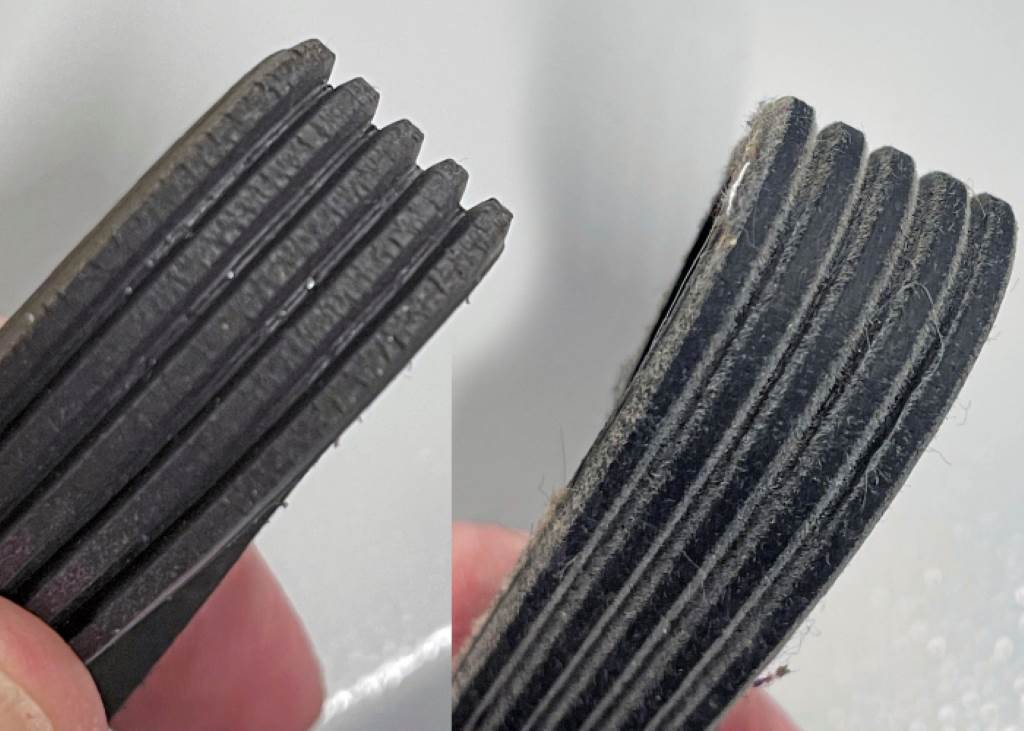
Signs Your Car Has Cracked Belt Edge Lines
Spotting symptoms early avoids big repairs. Listen for unusual noises first. Squealing or chirping often points to belt trouble.
Next, check the dashboard. Warning lights for battery or overheating appear. Moreover, steering feels heavy if the power steering pump fails.
- Visual cues include visible cracks on belt edges.
- Glazing or shiny spots signal slippage.
- Rib chunks missing mean immediate action.
For example, one driver ignored squeals and faced a dead battery on the highway. Consequently, inspect under the hood monthly.
How Cracks on Serpentine Belt Edges Affect Your Car
Damage spreads fast once cracks form. The belt can snap without warning. This halts accessories instantly.
Alternator stops charging the battery. Power steering and AC fail too. Furthermore, the water pump quits, causing engine overheating. A government report from the Department of Transportation notes belt breaks lead to 15% of engine damage claims.
In addition, partial function strains other parts. Pulleys wear out quicker. Therefore, address edge cracks promptly to protect your vehicle.
Step-by-Step Guide to Inspect Serpentine Belt for Cracks
You can check yourself with basic tools. Park on a flat surface and turn off the engine. Wait for it to cool.
- Open the hood and locate the belt routing diagram.
- Use a flashlight to examine edges closely.
- Twist the belt to see all sides.
- Feel for cracks deeper than 1/16 inch.
Moreover, measure tension with a gauge if available. Replace if cracks exceed half the rib height. This simple routine takes 10 minutes but saves hundreds in repairs.
When to Replace a Cracked Drive Belt
Not all cracks demand instant replacement. Minor surface lines might wait. However, deep fissures or multiple cracks require action now.
Consult your owner’s manual for intervals. Generally, swap at 75,000 miles or sooner with damage. Additionally, align pulleys during install to prevent future issues.
A real-world example: A mechanic replaced a mildly cracked belt and avoided a $1,500 engine fix. So, err on the side of caution.
Prevention Tips for Serpentine Belt Edge Cracking
Smart habits extend belt life. Keep the engine bay clean. Wipe spills immediately.
- Park in shade to reduce heat.
- Check tension every oil change.
- Use quality replacement belts.
Furthermore, avoid short trips that don’t fully warm the engine. Cold starts stress rubber. Studies show proper maintenance boosts durability by 50%.
Tools Needed for DIY Serpentine Belt Inspection and Replacement
Gather supplies before starting. A socket set works for tensioner release. Wear gloves to protect hands.
- Belt tension tool
- Flashlight
- Replacement belt matching specs
Watch tutorial videos for your model. However, seek pro help if unsure. Safety comes first.
Professional vs. DIY Fix for Cracked Belt Edges
DIY saves money for handy owners. It takes 30-60 minutes typically. Yet, pros ensure correct alignment.
Mechanics spot hidden issues like bad pulleys. Moreover, they use diagnostic tools. Choose based on your skill level.
Latest Research on Serpentine Belt Materials and Durability
New materials fight cracking better. EPDM rubber resists heat and ozone. A 2024 SAE paper highlights 20% longer life with advanced compounds.
Additionally, kevlar reinforcements strengthen edges. Manufacturers test belts in extreme conditions. Thus, newer cars suffer fewer failures.
Real-Life Stories of Ignoring Cracked Serpentine Belts
One driver heard squeaks but delayed. The belt snapped on a busy road. Towing and repairs followed.
Another caught early cracks during routine check. Quick swap prevented disaster. These tales stress vigilance.
Environmental Factors Causing Belt Edge Damage
Weather impacts belts greatly. Humidity swells rubber. Dry air cracks it.
Road salt corrodes pulleys, leading to misalignment. Furthermore, dust in rural areas abrades edges. Adapt care to your location.
How Cracked Edges Differ from Normal Wear
Normal aging shows even glazing. Cracks indicate specific stress.
Edges fray from misalignment. Centers wear from heat. Distinguish to diagnose accurately.
Maintenance Schedule to Avoid Drive Belt Problems
Follow a plan. Inspect every 3,000 miles.
- Monthly visual checks
- Full replacement every 5 years
Track mileage in a log. Consistency pays off.
Impact of Vehicle Type on Serpentine Belt Cracking
Trucks haul heavy loads, stressing belts more. Sports cars rev high, generating heat.
Hybrids use belts less but still need checks. Tailor habits to your ride.
Quick Fixes vs. Long-Term Solutions for Belt Cracks
Temporary sprays quiet noise but don’t fix. Replace for lasting results.
However, tighten if loose. Address root causes always.
Benefits of Timely Serpentine Belt Replacement
New belts restore power smoothly. Fuel efficiency improves slightly.
Moreover, peace of mind grows. Avoid breakdowns entirely.
Common Myths About Cracked Belt Edges
Myth: Cracks are harmless. Fact: They weaken fast.
Myth: All squeals mean bad belt. Fact: Bearings can mimic.
Educate yourself to act right.
Troubleshooting Other Belt-Related Noises
Whining might be alternator. Grinding points to idler pulley.
Isolate sounds for precise fixes. Use a mechanic’s stethoscope if needed.
Upgrading to Better Belts to Prevent Edge Cracks
Premium brands last longer. Gatorback or Continental offer superior rubber.
Invest once for fewer worries. Check reviews.
Seasonal Care for Your Car’s Drive Belt
Winter: Warm up engine. Summer: Check after hot drives.
Adjust for seasons. Prolong life easily.
How Cracks Lead to Bigger Engine Issues
Snapped belt overheats engine. Warped heads result.
Battery drains fully. Costly cascade follows.
Safety Tips When Inspecting Under the Hood
Disconnect battery first. Use stands if jacking.
Never run engine during close inspection. Prioritize caution.
Integrating Belt Checks into Routine Car Care
Add to oil changes. Combine with fluid top-ups.
Make it habit. Save time long-term.
This comprehensive look at cracked serpentine belt edge lines in car equips you fully. Spot signs early, inspect regularly, and replace when needed. Prevent costly breakdowns with simple steps. Act now: Pop the hood this weekend and check your belt. Your car will thank you.
FAQs
What causes cracks on serpentine belt edges?
Heat, misalignment, and contaminants mainly cause them. Age and tension issues contribute too.
How often should I inspect my drive belt?
Check monthly or every 3,000 miles. Look for cracks, glazing, or missing ribs.
Can I drive with cracked belt edges?
Avoid it if cracks are deep. Risk snap and loss of power steering or charging.
What tools do I need to replace a serpentine belt?
Use a socket set, tensioner tool, and new belt. Gloves and flashlight help.
Does weather affect belt cracking?
Yes, cold brittles rubber; heat dries it. Humidity and salt worsen damage.
Sorry, the comment form is closed at this time.