
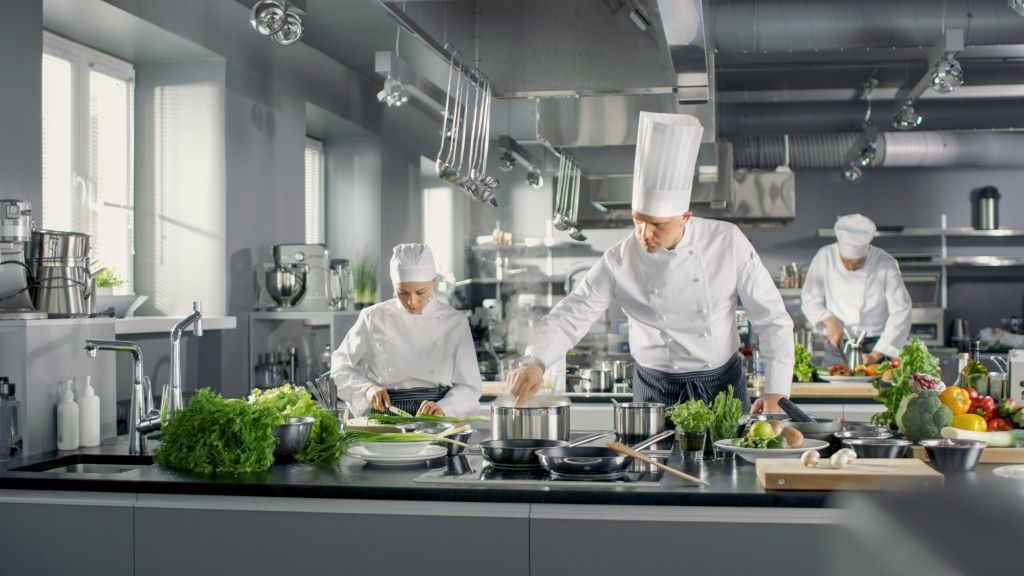
How to Run a Restaurant Kitchen Efficiently: Chef’s Guide to Smooth Operations
Running a restaurant kitchen efficiently is a critical aspect of any restaurant’s success. From managing staff and ingredients to ensuring timely service, every action taken in the kitchen affects the overall dining experience. As a chef or restaurant owner, understanding the nuances of a smooth kitchen operation is key to maximizing productivity, reducing waste, and improving customer satisfaction. In this guide, we’ll explore the essential strategies for how to run a restaurant kitchen efficiently, with expert tips and proven techniques.
The kitchen is often considered the heart of a restaurant, and for good reason. It’s the place where culinary magic happens, where raw ingredients are transformed into dishes that delight customers. However, the efficiency of this environment depends on careful planning, organization, and leadership. If you’re striving to make your kitchen more productive and seamless, you’ve come to the right place.
If you’re wondering how to run a restaurant kitchen efficiently, it’s important to look at all aspects of kitchen management. One of the best ways to start improving your kitchen operations is by reviewing reliable resources like: Imindsoft.biz, which offers insights on how to efficiently manage your restaurant kitchen. Implementing strategies outlined on such platforms can help you streamline your kitchen’s workflow, resulting in better performance.
Key Factors to Running a Restaurant Kitchen Efficiently
-
Staff Management and Training
One of the most crucial elements of running a kitchen efficiently is having a well-trained, motivated team. The kitchen staff must know their roles clearly and work in harmony. As the head chef or kitchen manager, it is your responsibility to ensure that everyone is adequately trained in their tasks. This includes training on food preparation techniques, kitchen equipment usage, and maintaining hygiene standards.
Moreover, fostering good communication is essential. A well-organized kitchen team will ensure that orders are processed quickly and correctly. Regular training sessions, team-building activities, and clear role definitions will lead to a cohesive team that works well under pressure.
-
Proper Kitchen Layout
The physical design of the kitchen plays a significant role in its efficiency. The layout should allow for easy movement and quick access to essential tools and ingredients. A poorly designed kitchen can lead to bottlenecks and wasted time as staff struggles to find equipment or ingredients.
Ensure that workstations are organized in a logical flow, from the preparation area to the cooking area and finally to the plating area. Keeping everything within reach reduces unnecessary movements and helps staff focus on what they do best—cooking. A well-thought-out layout can save both time and energy, making it easier to manage a busy service.
-
Efficient Inventory Management
Managing inventory effectively is another key component of running a restaurant kitchen efficiently. A disorganized stockroom leads to overordering, spoilage, or running out of essential ingredients. Implementing a strict inventory system is essential to avoid wastage and ensure that you always have the necessary items in stock.
Use inventory management software or tracking systems that alert you when stock is low. This helps in maintaining a streamlined process, reducing the chances of running out of critical ingredients, and minimizing overstocking.
-
Streamline Menu and Food Preparation
While variety is important, a streamlined menu can be the key to kitchen efficiency. Offering too many dishes might overwhelm the kitchen team, slow down service, and increase the chances of errors. A smaller, well-curated menu can make it easier for the team to prepare and deliver dishes quickly.
Additionally, organizing food prep is crucial. Prepping ingredients ahead of time (when possible) can ensure that your kitchen runs smoothly during peak hours. For instance, chopping vegetables or marinating meats the night before can save time during service hours.
-
Implement Technology for Better Efficiency
In today’s digital age, restaurant kitchens can benefit significantly from technology. There are several tools and software systems designed to enhance kitchen efficiency. For example, digital order management systems can reduce communication errors between the kitchen and front-of-house staff. These systems help ensure that orders are processed quickly and accurately.
You can also implement kitchen display systems (KDS) to replace paper ticket orders. This helps chefs focus on the task at hand without being distracted by paper orders and allows for better real-time updates on orders in progress.
-
Set Clear Standards for Cleanliness and Hygiene
Cleanliness and hygiene are paramount in the kitchen. A dirty kitchen not only violates health regulations but also creates inefficiencies, as staff spends time searching for clean tools or utensils. Establish clear cleaning schedules and assign staff members specific tasks, such as wiping down counters or sanitizing cutting boards, to keep everything in order.
Having a spotless kitchen helps minimize the risk of contamination and improves the flow of work by preventing the need for cleaning during busy service hours.
-
Optimize Cooking Techniques and Equipment
Ensuring that the cooking process is as efficient as possible can reduce waste and save time. This includes utilizing the right cooking methods, using modern kitchen equipment, and maintaining high-performance tools. Investing in high-quality equipment can make cooking faster and more consistent.
Additionally, chefs should be trained to use equipment to its fullest potential, whether it’s a commercial oven, induction stove, or specialized tools for certain dishes. Regular maintenance and servicing of equipment can prevent breakdowns during busy times.
How to Track and Evaluate Efficiency
Tracking performance is essential to improving efficiency. Develop a system for evaluating kitchen productivity regularly. This could include:
- Tracking time: Monitor the average time it takes from when an order is placed to when it’s served to the customer.
- Waste management: Keep an eye on the amount of food waste being generated. The less waste, the more efficient your kitchen is.
- Customer feedback: Listen to what your customers are saying about their dining experience. This feedback can help identify areas where kitchen operations may be falling short.
By regularly assessing these factors, you can identify areas that need improvement and make changes to enhance overall efficiency.
Popular FAQs
-
What is the most important factor in running a kitchen efficiently?
Staff training, communication, and having a good kitchen layout are key to efficient operations.
-
How can I reduce food waste in the kitchen?
Proper inventory management, portion control, and repurposing ingredients for other dishes can help reduce food waste.
-
How do I manage kitchen staff during peak hours?
Have a well-structured plan in place with clear roles and responsibilities. Prioritize communication and provide short breaks to maintain energy levels.
-
What technology should I invest in for kitchen efficiency?
Consider investing in a kitchen display system (KDS), digital order management software, and inventory tracking tools to streamline kitchen operations.
-
How can I improve food prep time?
Preparing ingredients ahead of time, keeping your workspace organized, and using efficient cooking techniques can all contribute to faster food prep.
Conclusion
In conclusion, knowing how to run a restaurant kitchen efficiently is about much more than just having a good chef. It involves careful planning, attention to detail, and the ability to manage your team, inventory, and equipment effectively. By focusing on key areas such as staff management, kitchen layout, menu design, and technology, you can create an environment where operations flow smoothly, resulting in better service and happier customers.
For more insights on kitchen management, you can visit Imindsoft.biz and explore resources that provide practical tips for efficient restaurant kitchen operations. With the right strategies in place, your restaurant kitchen can become a model of efficiency, helping you reduce costs, increase productivity, and enhance the overall dining experience.
Sorry, the comment form is closed at this time.