

Custom Web Design And Development: Your Complete Guide to Building a Standout Digital Presence
Picture this: a potential customer lands on your website for the first time. Within three seconds, they’ve already formed an opinion about your business that could make or break a sale. In today’s hyper-competitive digital landscape, that first impression isn’t just important—it’s everything. This is where custom web design and development transforms from a luxury into a business necessity.
Unlike template-based solutions that leave your brand looking identical to thousands of others, custom web design creates a unique digital fingerprint that sets your business apart. But what exactly does this process entail, and how can it revolutionize your online presence?
Understanding Custom Web Design and Development
Custom web design and development refers to the process of creating a website from scratch, tailored specifically to your business needs, brand identity, and target audience. Rather than using pre-made templates or themes, this approach involves designing and coding every element to match your exact specifications.
The process encompasses both the visual aspects (user interface design, graphics, layout) and the technical foundation (coding, database integration, functionality). This comprehensive approach ensures that every pixel and line of code serves a purpose in achieving your business objectives.
Key Components of Custom Web Development
Frontend Development forms the visible layer of your website—everything users see and interact with. This includes responsive design elements, interactive features, navigation systems, and visual components that create an engaging user experience across all devices.
Backend Development powers the behind-the-scenes functionality. This includes server-side programming, database management, content management systems, and the technical infrastructure that makes your website function smoothly and securely.
User Experience (UX) Design focuses on how visitors interact with your site, ensuring intuitive navigation, fast loading times, and seamless functionality that guides users toward desired actions.
User Interface (UI) Design concentrates on the visual elements—colors, typography, imagery, and layout—that reflect your brand identity and create emotional connections with your audience.
The Custom Web Design Process: From Concept to Launch
Discovery and Planning Phase
The foundation of successful custom web development begins with thorough research and planning. This phase involves understanding your business goals, analyzing your target audience, researching competitors, and defining the website’s scope and functionality requirements.
Professional web designers conduct stakeholder interviews, create user personas, and develop project timelines that align with your business objectives. This strategic approach ensures that every design decision supports your broader marketing and sales goals.
Design and Prototyping
During this creative phase, designers transform your vision into visual concepts. They create wireframes that outline the website’s structure, develop mockups that showcase the visual design, and build interactive prototypes that demonstrate user flow and functionality.
This iterative process involves multiple rounds of feedback and refinement, ensuring that the final design perfectly captures your brand essence while providing optimal user experience across all devices and platforms.
Development and Implementation
The technical implementation phase brings designs to life through clean, efficient code. Experienced developers write custom HTML, CSS, and JavaScript while integrating content management systems, e-commerce platforms, and third-party services as needed.
This phase also includes responsive web design implementation, ensuring your site performs flawlessly on desktops, tablets, and smartphones. Performance optimization, security measures, and search engine optimization are built into the foundation during development.
Testing and Quality Assurance
Rigorous testing ensures your custom website functions perfectly before launch. This includes cross-browser compatibility testing, mobile responsiveness verification, performance testing, security assessments, and user acceptance testing.
Quality assurance specialists identify and resolve any issues, ensuring that your website provides consistent, reliable performance for all users regardless of their device or browser choice.
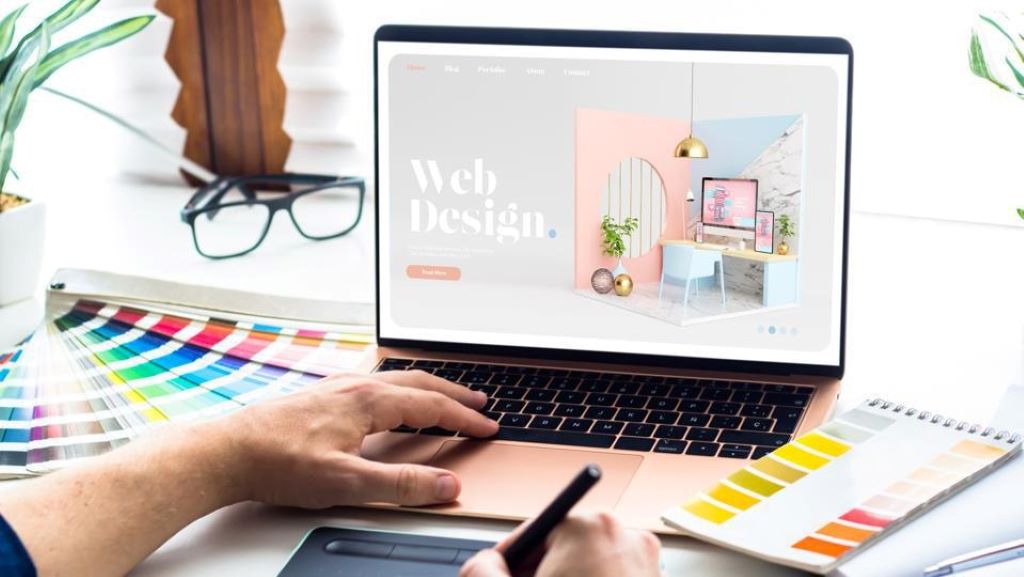
Benefits of Choosing Custom Web Design
Unique Brand Identity and Differentiation
Custom web design allows you to create a distinctive online presence that reflects your brand personality and values. Unlike template-based solutions, custom designs ensure that your website stands out in crowded markets and creates memorable experiences for visitors.
This uniqueness extends beyond aesthetics to include custom functionality that specifically serves your business processes and customer needs, providing competitive advantages that generic solutions cannot match.
Scalability and Future-Proofing
Custom websites are built with growth in mind. As your business evolves, your website can easily accommodate new features, increased traffic, additional product lines, or expanded service offerings without requiring complete rebuilds.
This scalability makes custom development a smart long-term investment that adapts to changing business needs and technological advances, protecting your digital investment over time.
Enhanced Performance and SEO
Custom-coded websites typically load faster and perform better than template-based alternatives because they contain only the code necessary for your specific functionality. This clean, efficient codebase contributes to better search engine rankings and improved user experience.
Additionally, custom development allows for advanced SEO optimization techniques, including structured data implementation, optimized site architecture, and custom meta tag configurations that boost search visibility.
Superior Security and Reliability
Custom websites offer enhanced security because they don’t rely on widely-used templates that hackers commonly target. Developers can implement advanced security measures, regular updates, and custom authentication systems that protect your business and customer data.
This increased security, combined with professional hosting and maintenance, provides peace of mind and protects your reputation from potential security breaches.
Custom vs. Template-Based Solutions: Making the Right Choice
When Custom Development Makes Sense
Custom web development is ideal for businesses with unique requirements, complex functionality needs, or specific brand positioning that demands differentiation. Companies in competitive industries, those with specialized business processes, or organizations requiring advanced integrations benefit most from custom solutions.
E-commerce businesses with unique selling processes, service providers with complex booking systems, or companies needing specific database integrations often find that only custom development can meet their requirements effectively.
Cost Considerations and ROI
While custom web development requires higher upfront investment compared to template solutions, it often provides superior return on investment through improved conversion rates, reduced maintenance costs, and longer lifespan.
The key is viewing custom development as a strategic business investment rather than a simple expense. When properly executed, custom websites generate increased leads, sales, and customer engagement that justify the initial investment.
Timeline Expectations
Custom web development typically requires 8-16 weeks for completion, depending on complexity and scope. This timeline includes design phases, development, testing, and revisions, ensuring a polished final product that meets all requirements.
While this represents a longer timeline than template implementations, the resulting website provides years of reliable service with minimal ongoing modifications required.
Choosing the Right Custom Web Development Partner
Essential Qualifications and Experience
Look for development teams with proven track records in your industry, strong portfolios showcasing similar projects, and technical expertise in modern web technologies. Review case studies, client testimonials, and examples of previous work to assess their capabilities.
Ensure your chosen partner understands current web standards, accessibility requirements, and SEO best practices that contribute to long-term success.
Communication and Project Management
Effective communication is crucial for successful custom web development projects. Choose partners who provide regular updates, involve you in the design process, and maintain transparency throughout the project lifecycle.
Look for teams that use professional project management tools, provide clear timelines, and establish realistic expectations for deliverables and milestones.
Future Trends in Custom Web Development
Emerging Technologies and Opportunities
The custom web development landscape continues evolving with technologies like artificial intelligence integration, voice search optimization, progressive web apps, and enhanced mobile experiences. Staying current with these trends ensures your custom website remains competitive and relevant.
Consider how emerging technologies might benefit your specific industry and discuss these opportunities with your development team to future-proof your investment.
Read More:
Best software for graphic design
Sorry, the comment form is closed at this time.